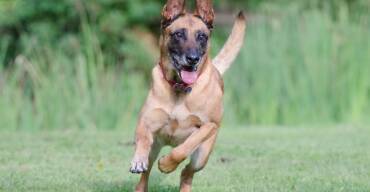
| Characteristic | Details |
| Size | Medium to large |
| Exercise | 1.5 to 2+ hours per day |
| Home size | House with outdoor space ideally |
| Grooming | Regular brushing |
| Coat length | Short, long or rough depending on the variety |
| Sheds | Yes, especially during shedding seasons |
| Life expectancy | 10 to 12 years |
The Belgian Shepherd is a breed developed in Belgium in the late 19th century for herding and livestock guarding. At the time, several types of shepherd dogs existed across different regions of the country. Early breeding programmes gradually standardised the breed and established its defining characteristics.
Today, the Belgian Shepherd includes four recognised varieties, distinguished mainly by their coats: the Malinois, Groenendael, Tervuren and Laekenois. Despite their differences in appearance, these varieties share the same origins, intelligence and working abilities.
Thanks to its physical and mental qualities, the Belgian Shepherd has become an extremely versatile dog. It can be found both as an active companion dog and in roles involving security, search and rescue, assistance work, detection and law enforcement.
The Belgian Shepherd is an alert, intelligent dog that is highly responsive to its surroundings. Deeply attached to its owner, it often forms an exceptionally strong bond with its family and enjoys being involved in everyday life.
Naturally watchful and protective, it has strong guarding instincts while generally remaining balanced when given proper socialisation and consistent training. Sensitive and highly observant, it reacts quickly to stimuli and thrives on regular interaction and clear guidance.
The Belgian Shepherd is an active breed that needs daily physical and mental stimulation. Walks alone are rarely enough to satisfy its needs. It particularly enjoys working activities, dog sports, obedience training and problem-solving games.
Because of its strong attachment to people, it often struggles with boredom, inactivity and long periods alone. This breed is best suited to active owners who can dedicate time and attention to it every day.
The Belgian Shepherd has a balanced, athletic and powerful build while maintaining an elegant appearance. Its muscular, well-proportioned body and almost square frame perfectly reflect its heritage as an agile and enduring working dog.
The breed includes four varieties that differ in coat texture, length and colour. The Malinois has a short coat, the Groenendael a long black coat, the Tervuren a long fawn coat with black overlay, and the Laekenois a rough, wiry coat with a more rustic appearance.
Across all varieties, the coat is dense and supported by a protective undercoat that helps the dog withstand harsh weather. Belgian Shepherds typically experience heavy seasonal shedding during spring and autumn. Regular brushing is recommended to remove dead hair and maintain healthy skin and coat condition.
The Belgian Shepherd is generally considered a hardy, resilient and athletic breed. However, like many medium-to-large active dogs, it may be prone to joint issues, particularly hip dysplasia and, in some lines, elbow dysplasia.
Its high energy level requires careful management of physical activity, especially during growth. A well-balanced diet, healthy weight and regular but progressive exercise help protect joints and maintain long-term physical condition.
Highly sensitive to both its environment and training, the Belgian Shepherd also requires strong mental balance. Early socialisation, positive reinforcement methods and sufficient daily stimulation are essential to prevent stress, frustration and boredom-related behaviours.
Regular preventive care, veterinary check-ups, appropriate parasite control and attention to both physical and mental wellbeing all contribute to the breed's overall health. Deeply devoted to its family, the Belgian Shepherd thrives best in an active, stable and engaged environment.