| Size | Small |
| Exercise | Up to 1 hour per day |
| Home size | Small house / apartment |
| Grooming | Once a week |
| Coat length | Short |
| Sheds | Yes |
| Life expectancy | Over 12 years |
Originally from Germany, the Dachshund was first developed for badger hunting and tracking animals that lived in burrows. Its long body and short legs allowed it to move easily underground while maintaining remarkable endurance.
Today, the Dachshund has evolved far beyond its hunting roots to become a much-loved companion dog, especially in urban areas. Its compact size, confident personality and distinctive appearance have made it one of the most popular breeds among city pet owners.
The Dachshund has a personality far larger than its size suggests. Curious, lively and often entertaining, it loves exploring its surroundings and being involved in everything happening around it.
Deeply devoted to its family, it can also be independent and occasionally stubborn. Its fearless nature, inherited from its hunting background, gives it impressive confidence, even around much larger dogs. With proper socialisation, the Dachshund becomes an affectionate, playful and exceptionally loyal companion.
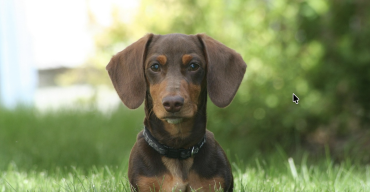
With its long body, short legs and expressive eyes, the Dachshund has a unique and instantly recognisable silhouette. The smooth-coated variety features a short, dense and sleek coat that is easy to maintain.
A weekly brushing is usually enough to remove loose hair and keep the coat looking clean and glossy. Despite its small size, the Dachshund is a robust and energetic dog that enjoys regular walks and active time with its owner.
The main health concern for Dachshunds involves their spine. Due to their elongated back and unique body shape, they can be prone to intervertebral disc disease (IVDD), particularly if they become overweight or are exposed to excessive strain.
Maintaining a healthy weight, avoiding repeated jumping and providing appropriate exercise are essential for protecting mobility throughout life. Like many small breeds, Dachshunds may also be susceptible to certain dental issues as they age.
Intelligent and observant, the Dachshund learns quickly when motivated through positive reinforcement. Its independent streak may require a little extra patience and consistency during training.
Its exercise needs are moderate, but it enjoys daily walks and activities that engage its natural scenting abilities. Scent games, exploration and regular interaction all play an important role in keeping it happy and balanced. Despite its small size, the Dachshund enjoys staying active and involved in family life.