| Characteristic | Details |
| Size | Medium to large |
| Build | Balanced and agile |
| Coat length | Short |
| Shedding level | Moderate |
| Energy level | Moderate to active |
| Life expectancy | 12+ years |
| Best suited for | Families, children, other pets, apartment living |
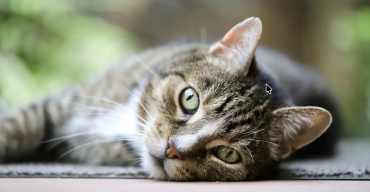
The European Shorthair is a natural breed originating in Europe, descended directly from the domestic cats that have shared European homes for centuries. Often mistaken for a typical domestic shorthair, it is distinguished by a defined breed standard designed to preserve a cat that is robust, well-balanced and free from exaggerated physical traits.
Officially recognised by FIFé in the 1980s, the European Shorthair remains relatively uncommon in some countries, including France, but is particularly popular in Nordic regions. Its appeal lies in its simplicity: a natural, resilient and adaptable cat that embodies the traditional image of the European feline companion.
The European Shorthair is a balanced, intelligent and easy-going cat. It can be affectionate with its family while maintaining a strong independent streak, making it an excellent companion for active households or owners who appreciate a cat that is present without being overly demanding.
Curious, playful and often a skilled hunter, it enjoys exploring its surroundings and observing everything around it. The breed generally adapts well to different lifestyles, provided it has access to a stimulating environment, regular play sessions and meaningful interaction with its humans.
The European Shorthair has a natural, muscular and well-balanced build. Its medium-to-large body features strong bone structure, a well-developed chest and a graceful, athletic appearance that reflects its active origins.
Its short, dense and glossy coat requires minimal maintenance. A weekly brushing is usually enough to remove loose hair and keep the coat looking its best. The breed comes in a wide variety of colours and patterns, including tabby, solid, bicolour, smoke and silver variations.
The European Shorthair is generally considered a healthy and resilient cat, thanks to its natural origins and the absence of extreme selective breeding. There are no major health conditions specifically associated with the breed.
As with any cat, regular veterinary check-ups, a balanced diet and proper weight management remain essential. Its active nature also benefits from an enriched environment with toys, hiding spots, climbing areas and observation points to support both physical and mental wellbeing.