| Characteristic | Details |
| Size | Medium to large |
| Build | Rounded and sturdy |
| Coat length | Long |
| Shedding level | High |
| Energy level | Calm |
| Life expectancy | 12 to 15 years |
| Best suited for | Calm households, seniors and apartment living |
The Persian is one of the oldest and most iconic long-haired cat breeds. Its origins are generally linked to long-haired cats from Persia, modern-day Iran, which were introduced to Europe from the 16th century onwards.
The breed was further refined in Britain during the 19th century, where breeders focused on developing its rounded appearance, luxurious coat and sweet expression. Over time, the Persian became a true symbol of feline elegance, admired in cat shows and cherished for its calm temperament.
The Persian is a relaxed, gentle cat that greatly values comfort and routine. It thrives in peaceful environments and enjoys quiet moments with its humans. Rather than climbing every shelf in sight, this breed is more likely to observe household life from a cosy spot nearby.
Affectionate without being demanding, the Persian is particularly well suited to people looking for a calm, home-loving companion. It adapts very well to apartment living, provided it receives attention, regular care and a comfortable place to relax.
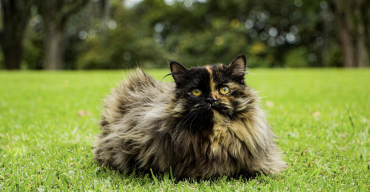
The Persian is instantly recognisable thanks to its rounded body shape, distinctive short nose, large expressive eyes and long, dense, silky coat. Its luxurious fur is one of the breed’s defining features, but it also requires a significant grooming commitment.
Daily brushing is strongly recommended to prevent tangles and keep the coat in top condition. The eyes, which are often prone to tearing, should also be cleaned regularly. The Persian is undeniably beautiful, but it is also a breed that requires consistent grooming and maintenance.
Persians can be predisposed to certain health issues and skin sensitivities, largely due to their brachycephalic facial structure. Some individuals may experience breathing difficulties, excessive tearing or various eye-related conditions.
Polycystic Kidney Disease (PKD) is another inherited condition known to affect the breed. Regular veterinary care, health screening by responsible breeders and an appropriate daily care routine are essential for maintaining the Persian’s comfort, wellbeing and quality of life.