| Characteristic | Details |
| Size | Large |
| Build | Strong and powerful |
| Coat length | Medium-long to long |
| Shedding level | Moderate to high |
| Energy level | Moderate |
| Life expectancy | 12 to 16 years |
| Best suited for | Families, children, other pets and apartment living |
The Siberian is a natural breed originating from Russia, where it developed over centuries in the country's cold and rural regions. Traditionally used as a farm cat to protect food stores from rodents, it gradually evolved a powerful physique and a thick coat perfectly suited to harsh climates.
Some theories suggest that its ancestors were also crossed with long-haired cats brought from the Middle East through trade routes and travel. The Siberian was officially recognised by international cat associations in the 1990s after remaining relatively unknown outside Russia for many years.
Today, it is admired for both its majestic appearance and its affectionate, even-tempered personality.
The Siberian is often described as a calm, intelligent and highly family-oriented cat. Despite its impressive size and rugged origins, it has a gentle, sociable nature that makes it well suited to family life.
It enjoys spending time with its people and appreciates interaction without becoming overly demanding. Siberians like to observe their surroundings, take part in daily household activities and share both playtime and quiet moments with their loved ones.
The breed also retains a degree of athleticism and a well-developed hunting instinct. Curious and balanced, the Siberian thrives in stimulating environments that offer climbing opportunities, interactive toys and plenty of attention.
The Siberian is a large, substantial cat with strong bone structure and impressive muscle mass. Its barrel-shaped body, muscular neck and broad, rounded head give it a distinctive and powerful appearance.
Its medium-long to long coat consists of a dense undercoat covered by a thick, slightly water-resistant outer coat designed to withstand cold temperatures and wet weather. Its plush tail and the tufts of fur between its toes further reflect its natural adaptation to harsh environments.
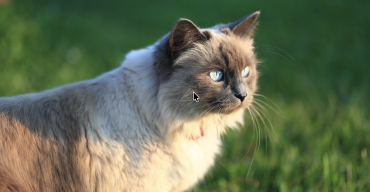
The breed comes in a wide variety of colours and patterns. Colourpoint Siberians are known as the Neva Masquerade.
Despite its abundant coat, grooming is relatively manageable. A weekly brushing is usually sufficient for most of the year. During shedding seasons, more frequent grooming is recommended to prevent tangles and remove loose hair.
The Siberian is generally regarded as a hardy and resilient breed, thanks to its natural origins and relatively moderate selective breeding compared to some more recent cat breeds.
As with all large cats, maintaining a healthy weight and providing a high-quality diet are important for supporting joint health and long-term mobility. Regular physical activity and an enriched environment also play a key role in its overall wellbeing.
Routine veterinary care, up-to-date vaccinations and preventive health checks help keep Siberians in excellent condition. Their dense coat also requires regular maintenance, especially during seasonal shedding periods when loose hair can accumulate quickly.
Although they adapt well to apartment living, Siberians remain active cats that enjoy opportunities to climb, explore and observe their surroundings every day.