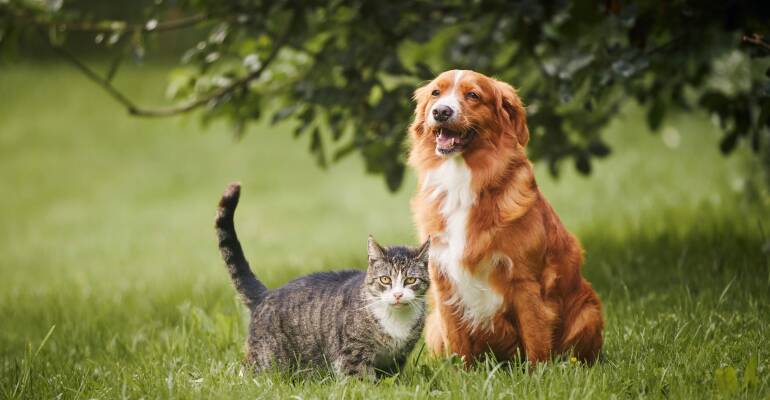
A piece of chocolate dropped on the floor, a few grapes on the coffee table, some leftover onion sauce… Some of the foods we eat every day can be dangerous, or even fatal, for our pets.
Dogs, being curious and greedy, are most often affected. But cats are not spared: they are actually more sensitive than dogs to certain substances.
Knowing which foods are toxic helps prevent many accidents and allows you to react quickly if your pet eats something it shouldn’t.
Dogs and cats do not digest or eliminate certain substances in the same way we do. A food that is harmless to humans can cause digestive problems, damage to the kidneys, liver or blood, or even neurological problems in pets.
How serious it is depends on several factors: the food involved, the amount eaten, the animal’s weight and its individual sensitivity. A small dog or a cat can be poisoned by what seems like a tiny amount.
This is the best-known food poisoning. Chocolate contains theobromine and caffeine, which dogs eliminate very slowly. The higher the cocoa content, the more dangerous the chocolate: dark chocolate and baking chocolate are the most toxic.
Symptoms can include vomiting, diarrhoea, restlessness, excessive thirst, a racing heart, tremors and, in severe cases, seizures.
In dogs, fresh grapes or raisins can cause acute kidney failure. No amount is considered safe, and sensitivity varies greatly from one dog to another: just a few grapes may be enough for some.
Watch out for foods that contain them: raisin bread, fruit cake, muesli, biscuits… As a precaution, grapes should also be avoided for cats.
These foods from the allium family destroy red blood cells and can lead to anaemia. They are toxic raw, cooked, dried or powdered, including in sauces, soups, ready meals or baby food.
Cats are even more sensitive to them than dogs. Symptoms (tiredness, pale gums, breathlessness, dark urine) may only appear several days after the food was eaten.
This sweetener is found in many “sugar-free” products: chewing gum, sweets, some spreads and peanut butters, toothpastes, low-sugar baked goods…
In dogs, it causes a sudden drop in blood sugar, sometimes in less than an hour, and can lead to serious liver damage. Even a small amount is an emergency.
Alcohol is highly toxic to animals, even in small amounts: loss of balance, vomiting, low body temperature and breathing difficulties.
Raw bread or pizza dough is just as dangerous: it keeps rising in the stomach and produces alcohol as it ferments.
Caffeine affects the nervous system and the heart. Coffee beans, coffee grounds, capsules, tea, fizzy drinks or energy drinks can cause restlessness, tremors and heart rhythm problems.
In dogs, they can cause weakness in the hind legs, tremors, vomiting and fever. Other nuts, which are very high in fat, should also be avoided.
Avocado contains a substance that is toxic to many species. In dogs and cats, it mainly causes digestive problems, but the stone can also be swallowed and cause an intestinal blockage.
Cooked bones, especially poultry bones, become brittle and can splinter into sharp fragments. They can injure the mouth or cause a blockage or perforation of the digestive tract. To satisfy your dog’s need to chew, it’s better to choose suitable alternatives: find out what to give your dog to chew.
Cured meats, poultry skin, fatty cheeses, sauces or fried foods can cause digestive problems, but also pancreatitis, an inflammation of the pancreas that can be serious. Very salty foods should also be avoided.
Cats have very particular nutritional needs, and some foods, while not poisons in the strict sense, can still harm them:
Some poisonings don’t come from the plate, but from around the home:
If your pet has eaten, or may have eaten, something toxic, act quickly, even if it isn’t showing any symptoms yet:
Some signs may appear several hours or even several days after ingestion. So don’t rely on the absence of immediate symptoms. With a puppy or kitten, see a vet straight away.
Prevention is the best protection:
Holiday periods (Christmas, Easter, birthdays) are particularly prone to accidents: chocolates, dishes in sauce and leftovers abound, and people are less watchful.
Poisoning often requires prompt treatment: an emergency consultation, induced vomiting under veterinary supervision, blood tests, a drip, hospitalisation or even surgery if a bone or stone causes a blockage. Costs can quickly add up. To be better prepared, read our article Vet bills: understanding the costs to plan ahead.
Pet health insurance can help you cope with these unexpected costs and make the right decisions without hesitation, depending on the cover and exclusions in your policy.